7 Questions to Ask Your Neighborhood Sign Shop
Choosing the right partner for your signage project can significantly influence how your brand is perceived, whether you are opening a new business, refreshing storefront graphics, or planning event signage. A reliable sign shop does more than produce printed materials—it helps translate ideas into clear, attention-grabbing visuals while guiding decisions about design, materials, installation, and long-term durability. Because many projects begin with a general concept, asking the right questions early clarifies expectations, reduces delays, and ensures the final result aligns with your goals. The following seven questions can help you evaluate potential providers and determine the best fit for your project.
1. Understanding The Experience Behind The Shop
Experience often shapes how smoothly a project progresses from idea to installation. When evaluating a sign shop, it helps to ask how long they have been operating and what types of projects they regularly handle. Years in the industry often mean the team has encountered a wide variety of challenges and knows how to solve them efficiently.
A business with substantial experience has likely worked with different materials, technologies, and installation environments. For example, storefront signage, interior branding displays, and large outdoor installations each require different approaches. A seasoned team understands those differences and can recommend solutions that fit the project rather than forcing a generic approach.
Looking at past projects can also provide reassurance. Photos or case studies show how the company approaches design, materials, and installation challenges. Over time, these examples reveal patterns of quality and consistency that help you understand what to expect.
2. Exploring The Types Of Signs They Produce
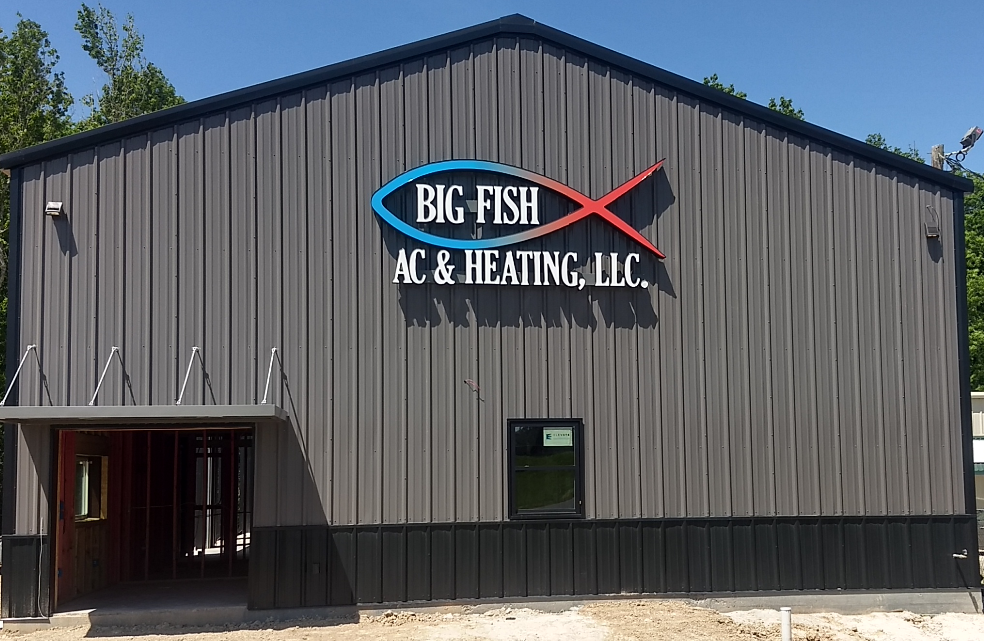
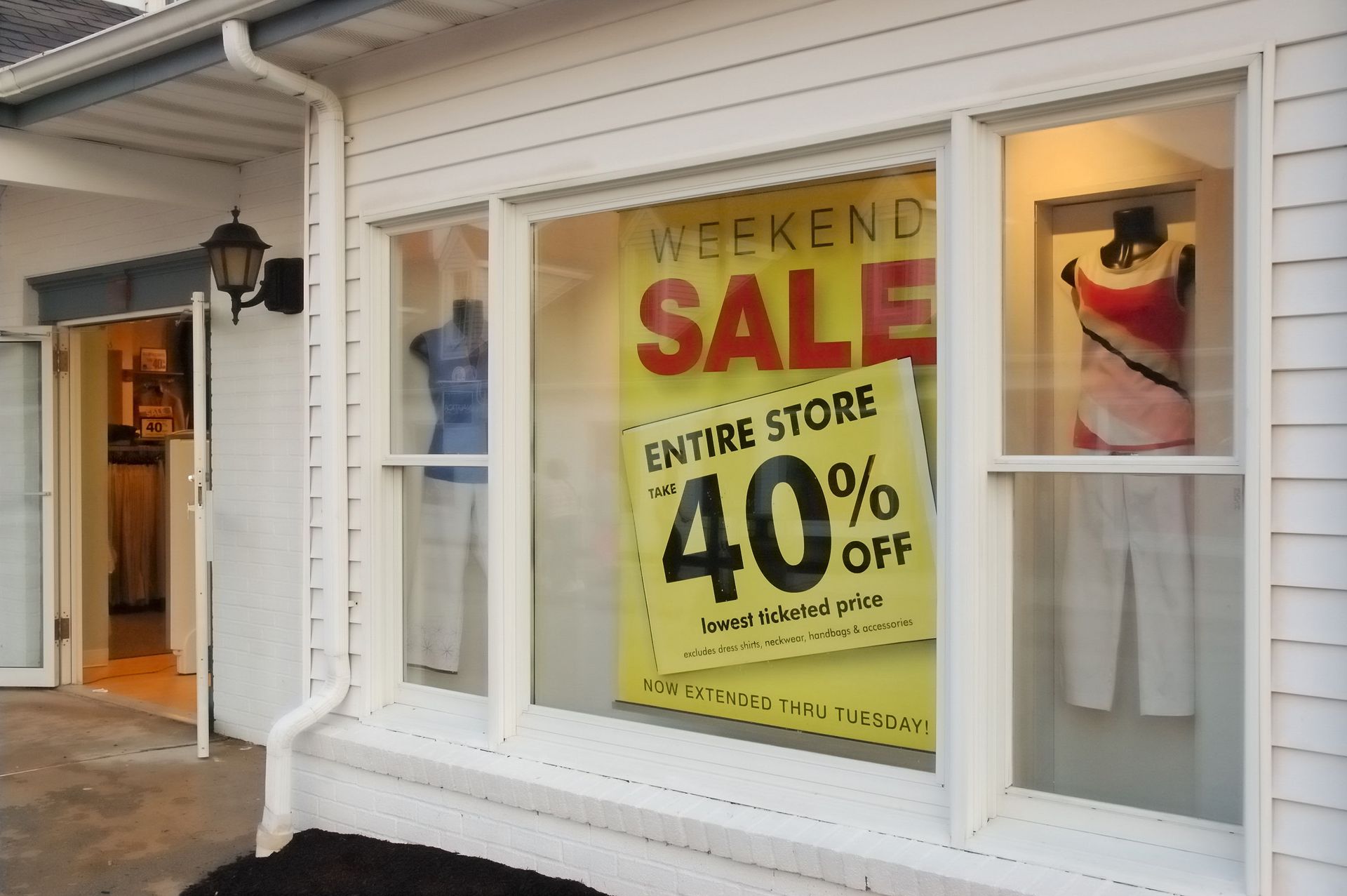
Not every signage provider specializes in the same products, so understanding what a company focuses on can help determine whether they align with your goals. Some companies excel at interior graphics and wall displays, while others concentrate on outdoor monument signs or storefront lettering.
Asking what types of projects they complete most often can reveal valuable insight. A sign shop that regularly produces outdoor signage will typically have experience with weather-resistant materials, structural considerations, and installation regulations. Meanwhile, a shop that focuses on indoor displays may have deeper expertise in decorative finishes, dimensional lettering, and branded environments.
It is also worth discussing whether they offer custom design solutions or primarily work with pre-designed templates. Custom work can create a distinctive appearance that reflects a company’s brand identity, while template-based options may offer faster turnaround times and lower costs.
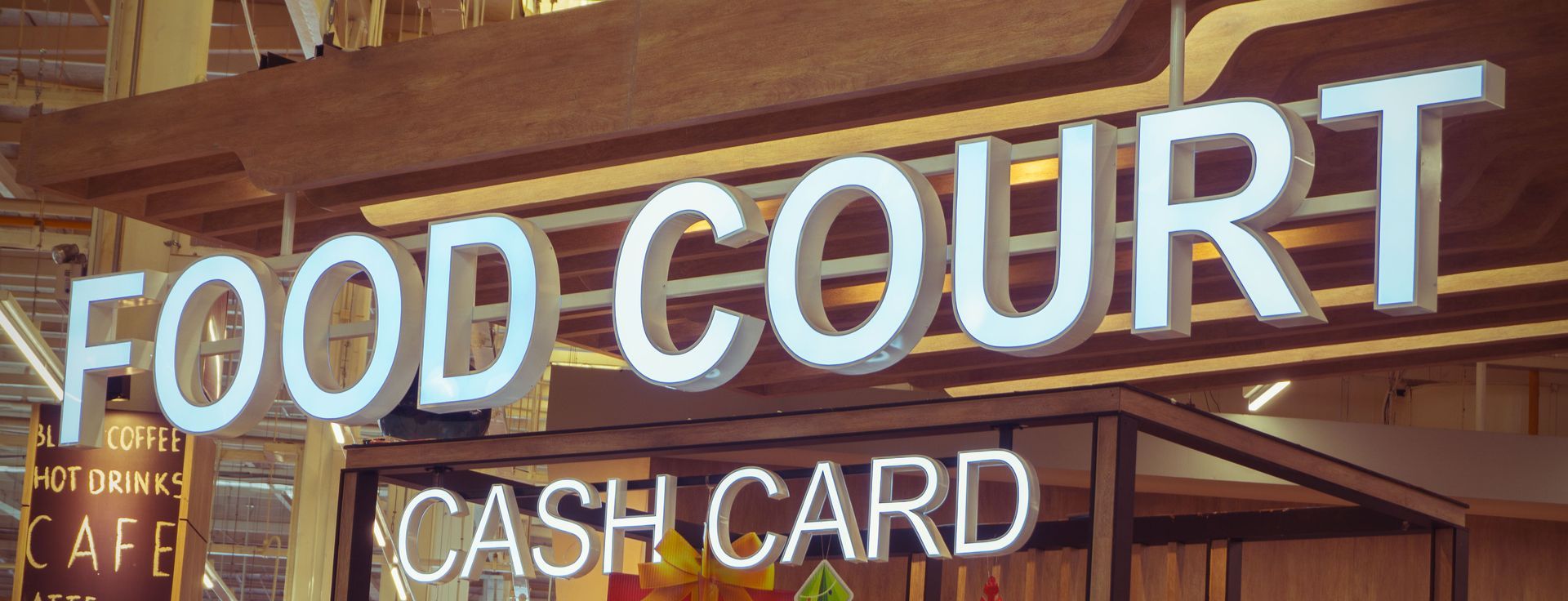
Technology also plays an increasing role in signage. Digital displays, illuminated lettering, and interactive screens are becoming more common in retail and corporate environments. Asking about these capabilities helps you understand the range of options available.
3. Reviewing The Design Process and Collaboration
Design is often the most collaborative part of a signage project. A strong process ensures that ideas are translated clearly into visual concepts before production begins. Asking how the design phase works can reveal how organized and communicative the team is.
Some companies have in-house designers who work closely with clients throughout the project. This arrangement can simplify communication because revisions and feedback happen quickly. Other companies collaborate with external designers, which can expand creative possibilities but may involve additional coordination.
When working with a sign shop, it helps to ask how feedback and revisions are handled. Most projects require adjustments before the design feels right, and understanding how revisions are managed can prevent confusion later. Clear approval stages ensure everyone agrees on the final design before production begins.
Another helpful question involves file preparation and branding guidelines. Businesses often have logos, color standards, and typography rules that must be followed carefully. A design team that understands these guidelines can create signage that remains consistent with other marketing materials.
4. Understanding The Production Timeline and Workflow
Timelines are a common concern when planning signage, especially for businesses preparing for openings or promotions. Asking about production schedules early helps align expectations.
Most signage projects move through several stages: design approval, material sourcing, fabrication, finishing, and installation. Each phase requires time, and delays in one stage can affect the overall schedule. A professional provider should be able to outline a realistic timeline based on projects similar to yours.
When working with a sign shop, it is also useful to ask what factors could influence the schedule. Custom materials, complex lighting systems, or permit requirements may extend production time. Knowing these variables in advance allows for better planning.
Some companies offer expedited services for urgent projects. While rush production can help meet tight deadlines, it may involve additional costs or limited material choices. Discussing these possibilities early ensures informed decisions if timing becomes critical.
5. Clarifying The Pricing Structure and Project Costs
Pricing is an important topic to address before moving forward with a signage project. Costs vary depending on materials, size, lighting features, installation complexity, and design work. Requesting a detailed estimate helps clarify exactly what is included.
A professional sign shop will typically provide a breakdown that includes design services, materials, fabrication, and installation. This level of transparency allows you to understand how the project budget is allocated.
It is also helpful to ask whether the quote includes everything needed to complete the sign. Some estimates may exclude permit fees, electrical work, or mounting hardware. Clarifying these details early helps prevent unexpected expenses.
Comparing quotes from multiple providers can provide useful perspective. However, the lowest price does not always represent the best value. Material quality, experience, and warranty coverage often influence how well signage performs over time.
6. Evaluating The Materials and Durability Standards
Signage often represents a long-term investment, especially for storefront and exterior displays. The materials used during fabrication significantly affect how well a sign holds up over time.
High-quality materials help prevent fading, cracking, and structural wear caused by weather exposure. Aluminum, acrylic, durable vinyl, and protective coatings are frequently used to improve longevity. Asking about these options helps you understand how different materials affect durability and appearance.
A knowledgeable sign shop should also explain how materials are selected for specific environments. Outdoor signs must withstand sunlight, rain, wind, and temperature fluctuations, while interior signage may focus more on finish quality and design flexibility.
Research highlights the value of effective signage. According to World Metrics, signage can increase brand recognition by as much as 50 percent, showing how powerful visible branding can be when designed and installed strategically. Because signage often creates the first impression of a business, both visual appeal and durability play important roles in long-term effectiveness.
7. Considering The Additional Services and Long-Term Support
Many signage projects involve more than design and fabrication. Installation, maintenance, and regulatory approvals can all influence the success of the project. Asking about additional services helps determine whether a company offers full support.
Professional installation is one of the most important steps. Even a well-designed sign can encounter problems if mounting systems or electrical components are not installed correctly. Experienced installers help ensure safety and long-term performance.
Maintenance services can also extend the lifespan of signage. Cleaning, lighting repairs, and periodic inspections help keep displays looking their best. Some providers offer service packages that address these needs over time.
Permit assistance is another valuable offering. Local regulations often dictate sign size, placement, and lighting requirements. Companies that guide clients through the permitting process can help prevent delays or compliance issues.
Choosing the right signage partner involves more than comparing prices or reviewing design samples; asking thoughtful questions about experience, services, timelines, materials, and processes helps clarify how your project will move forward. Understanding these factors allows you to plan with confidence and ensures your signage supports visibility, strengthens brand identity, and leaves a lasting impression. If you are ready to begin your next project and want expert guidance from start to finish, contact Service Graphics Printing & Signs LLC to discuss your vision and explore your options.




Share On: